The substitution nobody notices happening
Porn does not usually break intimacy by being discovered. It does it quietly, long before anyone finds out, by training a person to want something intimacy cannot supply.
What porn offers is endless novelty, total control, zero vulnerability and no requirement to be present for another human being. What intimacy offers is one familiar person, no control, complete vulnerability and a demand that you actually show up. These are not two versions of the same appetite. They are opposites, and practising one every day makes the other harder to want.
Novelty is the part that does the damage
The engine of porn is not nudity. It is the promise that something newer is one tap away. That structure teaches a very specific expectation: that arousal should be effortless, immediate and constantly renewed by a fresh stimulus.
Real intimacy runs on the exact opposite. The same person, repeatedly, over years. It deepens through familiarity rather than surprise. Someone conditioned on novelty experiences that familiarity as a fault in their partner, when it is simply the nature of the thing. Our piece on the reward loop behind endless scrolling describes the same machinery running elsewhere in your day.
The core problem: porn does not raise your standards. It trains your attention to need novelty, and then presents that need to you as dissatisfaction with a particular person.
Presence is the thing you lose first
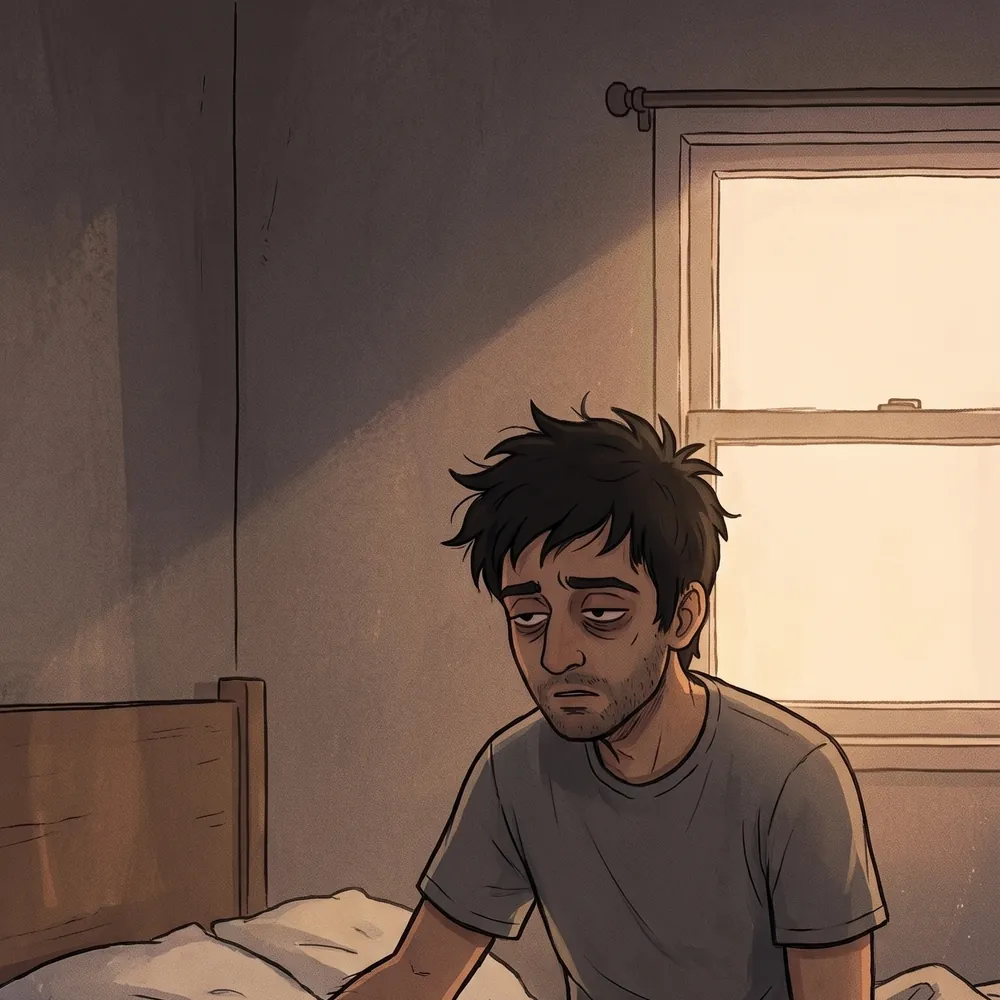
Long before anything physical changes, attention changes. Intimacy requires being fully in one place with one person. Habitual porn use trains the mind to be elsewhere: comparing, rehearsing, drifting toward a remembered image rather than the actual moment.
Partners usually register this well before they can name it. What they report is not suspicion but distance. A sense of being performed at rather than met. That is the real loss, and it is not repaired by better technique.
Why quitting porn alone does not finish the job
Many people cut out porn while keeping the habit that grew alongside it. This does not restore intimacy, because the conditioning was never only about images. It was about a private, on-demand, effortless outlet that asks nothing of you and involves no one else.
Keeping that outlet keeps the comparison alive: one option costs nothing, the other requires presence, timing, and another person's willingness. Intimacy loses that comparison every time. This is the case we make at length in why quitting masturbation matters too, and it is nowhere more practical than here.
Close the door before the drift starts
Most of this begins with an ordinary moment of exposure, not a decision. Qlean closes explicit content the moment it appears on your phone, across every app, so the habit has nothing to feed on.
Get Qlean on Google PlayThe physical side, honestly
There is one genuinely well-documented physical consequence, and it is worth stating carefully because so much written about this topic is not careful. A pattern of arousal conditioned to high-novelty screen stimulus can fail to transfer to a real partner. Men who have never had a physical problem find themselves unable to respond to someone they are genuinely attracted to. We cover the mechanism and the recovery in porn-induced ED.
Beyond that, be sceptical of anyone listing dramatic bodily harms. The strong case against porn does not need them, and overstating it gives people a reason to dismiss the whole argument.
If you are not in a relationship
This still applies to you, and arguably applies more. You are not protecting an existing relationship. You are deciding what you will bring to one that has not started yet.
Every month of conditioning shapes the expectations you will arrive with: how quickly you expect arousal, how much novelty you assume you need, how comfortable you are with the slowness and awkwardness of real closeness. Quitting now is not damage control. It is arriving undamaged.
What recovery actually looks like
- Attention returns before desire does. The first real change is being present in ordinary moments. It is unglamorous and easy to miss.
- There is usually a flat stretch. Desire often drops before it rebalances, which alarms people who expected an immediate improvement. Our piece on the flatline explains why this is a normal phase rather than a sign of damage.
- Familiarity starts working again. The same person stops registering as insufficiently novel. This is the change people describe as feeling like themselves again.
- It takes months, not days. Conditioning built over years does not reverse in a fortnight, and expecting it to is how people quit quitting.
Whether to tell your partner
There is no universal answer, and anyone who gives you one is not being straight with you. It depends on what you have actually done, on whether concealment is doing more harm than the disclosure would, and on the relationship itself. What is reliably true is that the conversation goes far better when it is planned than when it is discovered. We walk through how to have it in talking to your partner about porn.
What none of this requires is shame. Shame is the emotion that keeps the habit private, and private is the condition it needs to survive. Quit because you would rather be present with a real person than performing alone at a screen. That reason holds up on the difficult nights, and the shame-based ones do not. If a partner already knows and you are in the slower work of rebuilding what that shook loose, rebuilding trust after disclosure covers that stage specifically. A mismatch in desire itself, rather than a past habit, is its own common and rarely discussed issue; see when you and your spouse want different things. A related effect worth understanding is what regular exposure does to body image itself, both your own and your expectations of a partner; see what porn quietly does to body image. If you are trying to name what has actually changed between you and a partner, signs porn is affecting your relationship is a practical starting checklist.