A pattern that hides in plain sight
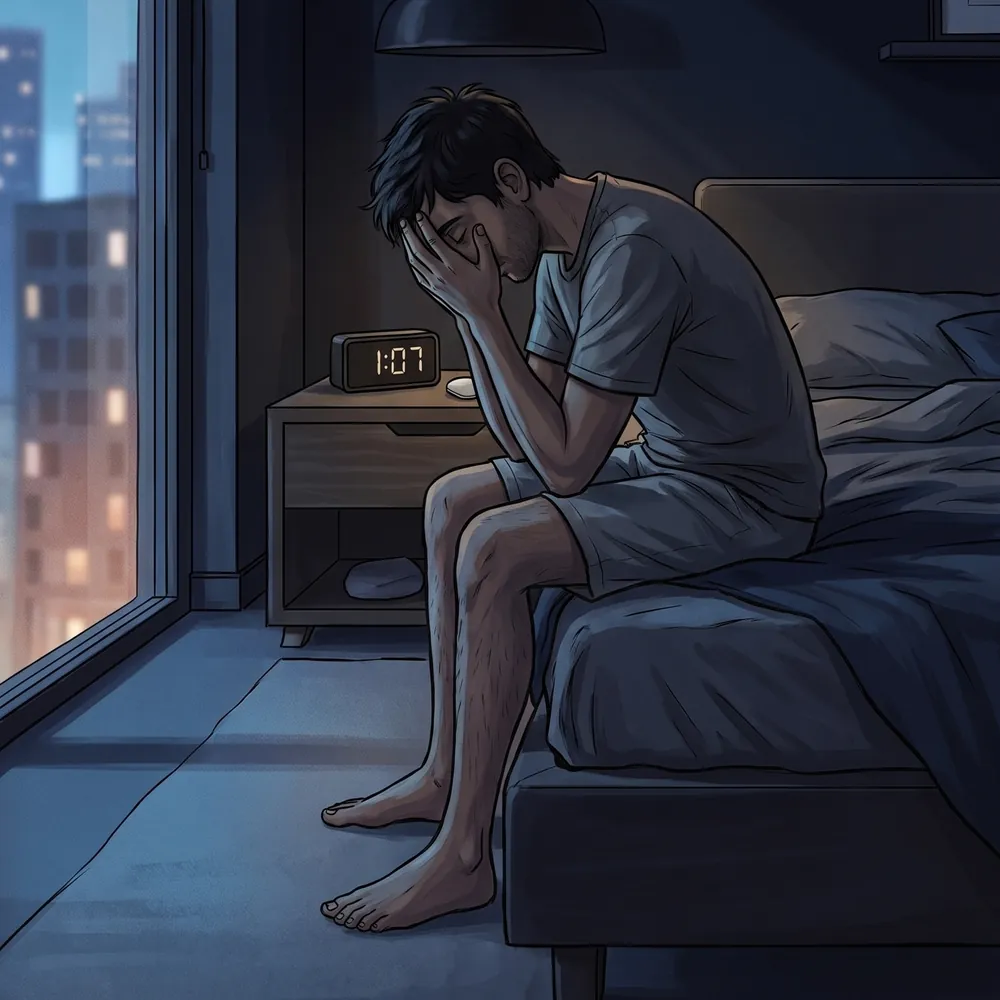
Here is a version of it that shows up constantly, told in slightly different words by different people. An argument with a partner, a parent, a boss. Something said that stung more than it should have. And then, not right away but soon after, alone with a phone, reaching for something that had nothing to do with the argument at all.
On the surface these look unconnected. They aren't. Anger that has no outlet, no apology, no resolution, tends to look for one anyway, and a fast private release is one of the more available options a lot of people have.
Why anger specifically leads here
Part of it is physiological. Anger floods the body with the same activating chemistry that a lot of urges run on, and once that activation is already up, it looks for somewhere to go. Part of it is psychological. The habit offers a feeling of control precisely when something else, the argument, the insult, the situation, made you feel like you had none. Reaching for something you can fully control right after a moment where you couldn't control anything else is a very old, very human move.
There's also a version tied to humiliation specifically, distinct from ordinary anger. Being made to feel small, mocked, or disrespected produces a particular kind of urgency to feel powerful again, right now, and the habit can offer a hollow version of that feeling faster than almost anything else available.
Worth checking against your own pattern: if your relapses cluster after conflict rather than after quiet or boredom, the fix that works for other people, filling empty time, will not do much for you. What you need is a way to actually process the anger, not a way to stay busy.
Handling the anger before it finds the habit
- Let your body burn it off first. A hard, fast physical release, a walk taken at speed, pushups, anything that uses the activation the anger produced, tends to work better than trying to think your way calm. Our piece on exercise as an outlet covers the mechanism, and it applies here directly.
- Write down what actually happened, plainly. Not to justify it or replay it, just to get it out of your head and onto a page. This alone defuses a surprising amount of the charge that would otherwise look for somewhere else to go.
- Delay the response you want to give, not the feeling itself. You do not have to pretend you are not angry. You do need to put a gap between the feeling and whatever you do next, including reaching for a phone.
- Talk to someone about the actual conflict. Even a short conversation with a friend about what happened does more to resolve the charge than any private coping mechanism, because it addresses the actual thing rather than distracting from it.
Keep the release valve closed
Whatever set the anger off, the phone should not be where it lands. Qlean closes explicit content the moment it appears, across every app, so an angry hour cannot turn into a relapse by default.
Get Qlean on Google PlayIf this happens often, it's worth naming
Occasional anger-driven relapses are common and not a sign of anything unusual. A pattern where nearly every relapse follows conflict is worth taking more seriously, not because it's shameful, but because it usually points to an underlying difficulty processing anger directly, one that would be worth addressing with a counsellor or trusted mentor rather than managed indefinitely through a workaround. The habit was never built to actually resolve anger. It only ever muted it for a few minutes, and the anger was always still there afterward, usually joined by fresh shame on top of it.
Managing both at once
You do not need to solve your relationship with anger before you can make progress on quitting, and you do not need to have fully quit before you start dealing honestly with anger. They can be worked on together, and for a lot of people they need to be, since one keeps feeding the other until something interrupts the loop. Interrupting it starts with simply noticing the connection the next time it happens, which is most of what this piece is asking you to do.