Why "withdrawal" is the wrong word, but a useful one anyway
Clinically, withdrawal refers to a specific, well-characterised set of physical symptoms that follow stopping a substance the body has become dependent on, alcohol, opioids, certain medications. Stopping masturbation doesn't produce that kind of medically defined withdrawal syndrome, and it's worth saying that plainly up front, because a lot of alarming content online borrows the clinical weight of that word without the evidence to back it up.
That said, "withdrawal" as a loose, informal description of the adjustment period people commonly report, irritability, restlessness, a temporary dip in mood, isn't entirely off base either. Something real does shift when a frequently repeated behaviour that's been reliably delivering a reward signal stops happening. The honest position sits between the two extremes: not a medical withdrawal syndrome, and also not nothing.
It's worth being precise about why the distinction matters practically, not just semantically. If someone believes they're going through a dangerous medical withdrawal process, that belief itself can amplify anxiety and make the whole adjustment feel far worse than it actually is. If someone understands accurately that they're going through a real but modest, temporary recalibration, they can approach the same physical experience with far less fear, which measurably changes how difficult it feels to get through.
What's genuinely, commonly reported
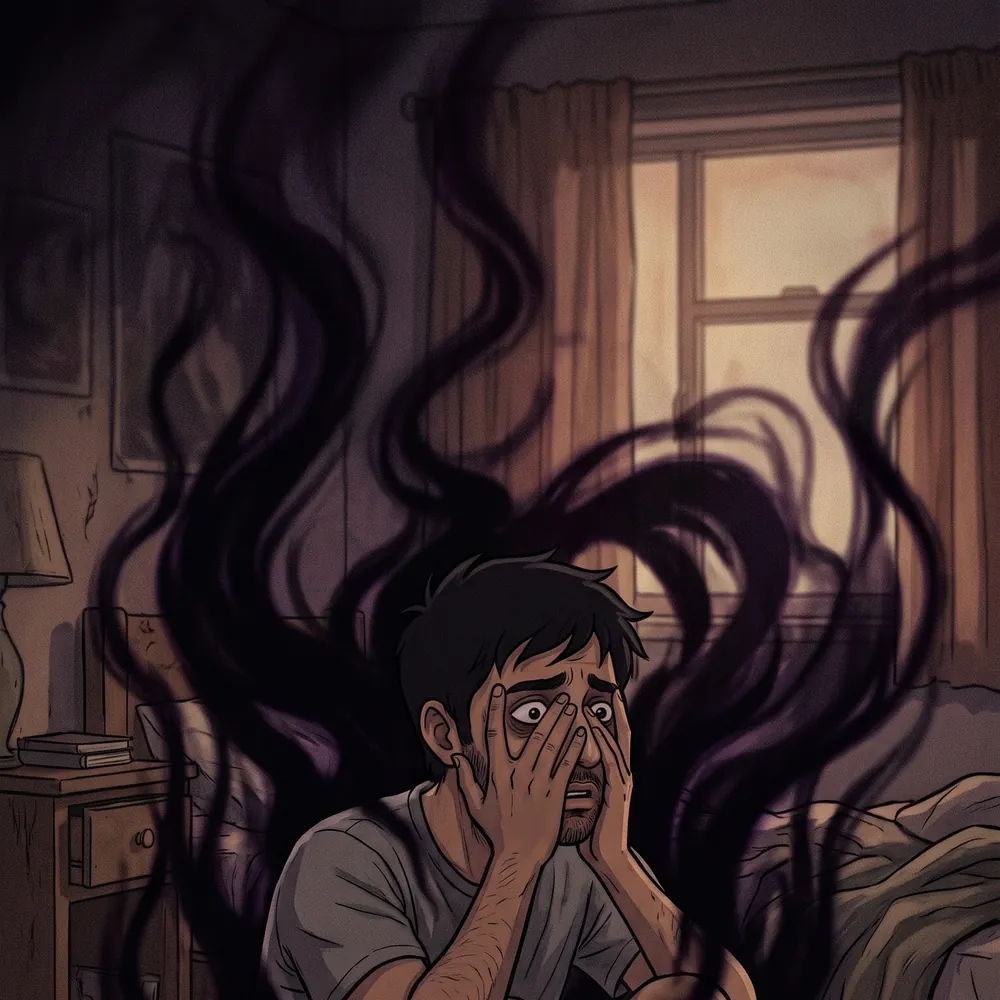
The most consistently reported experiences across people going through this adjustment are irritability, restlessness, difficulty concentrating, and a temporary dip in mood or motivation, sometimes overlapping with what our piece on the NoFap flatline describes in more detail. Sleep disruption in the first week or two is also commonly mentioned, plausibly connected to a habit that used to occupy part of the wind-down routine before bed now leaving a genuine gap. None of these are pleasant, and none of them should be dismissed as imaginary. They're simply not evidence of a dangerous medical process, just a real, temporary adjustment.
Duration matters here too. For most people maintaining consistent practice, these symptoms ease meaningfully within the first one to two weeks, tracking closely with the early adjustment period our broader timeline piece describes. A milder version can occasionally resurface briefly during a flatline stretch further in, but the sharpest edge of it is typically front-loaded into the earliest days.
It's also worth noting how these symptoms typically present together rather than in isolation. Someone going through this adjustment often describes a cluster: slightly shorter temper than usual, trouble settling into focused work, a nagging restlessness that doesn't map onto any specific external cause, and a general sense that things feel a bit flatter than normal. Recognising the cluster as a single, known pattern, rather than several separate, alarming problems, tends to make it considerably easier to sit with.
Worth normalising: feeling worse for a stretch before feeling better is a common pattern across many genuine behaviour changes, not unique to this one. Expecting it in advance takes most of its power to alarm away.
What gets exaggerated, and why
Search results and forum posts sometimes describe far more dramatic claims: severe, lasting hormonal disruption, permanent changes to brain function, serious physical illness attributed directly to stopping. These claims are not supported by credible evidence, and presenting them as established fact does real harm, because it frightens people away from a genuine, worthwhile practice using fear rather than accurate information.
Part of why these exaggerated claims spread so easily is structural, not malicious. Dramatic anecdotes are more shareable and more memorable than modest, accurate ones, so they naturally rise to the top of search results and forum threads over time. Communities built around a shared struggle can also unintentionally amplify extreme individual experiences until they start to read as the typical, expected outcome rather than the outlier they usually are. Our piece on myths about NoFap, debunked covers this same dynamic across a wider set of claims, and the pattern here is identical: real, modest effects getting inflated into something scarier and more dramatic than the honest evidence supports.
Make the hardest days easier to get through
The first two weeks carry the sharpest edge of the real, temporary symptoms above. Qlean closes explicit content the moment it appears on your phone, across every app, removing one variable so the rest of the adjustment has room to settle.
Get Qlean on Google PlayWhat's actually happening, honestly explained
The most plausible, evidence-consistent explanation for the real symptoms is a recalibration of the brain's reward system. A frequently repeated behaviour that reliably delivers a dopamine-driven reward signal creates an expectation, and removing that expected signal produces a genuine, if temporary, dip in baseline mood and motivation while the system readjusts to a lower-stimulation normal. This is a broadly similar mechanism to what's reported when people significantly reduce other frequent, high-stimulation habits, not something unique or uniquely dangerous about this particular one.
It's a similar underlying mechanism, in other words, to what someone might notice after significantly cutting back on any other frequent, high-stimulation activity, a favourite video game, a social media habit, even certain foods with a strong reward profile. None of those comparisons are meant to trivialise the specific difficulty here, but they're useful for calibrating expectations honestly: a real adjustment, following a familiar and well-understood pattern, not a uniquely dangerous or mysterious process specific to this one behaviour.
What this explanation doesn't support is any claim of lasting hormonal damage, permanent brain changes, or physical illness. The adjustment is real, it's a genuine recalibration process, and it resolves, which is a meaningfully different claim than "your body is malfunctioning" or "you are damaging yourself." Precision matters here specifically because the inaccurate version is what scares people away from a change that's actually worth making.
How to manage the real symptoms while they last
Since the real symptoms are genuinely temporary, the most useful response is simply riding them out with reasonable support rather than treating them as a crisis requiring dramatic intervention. Regular exercise, consistent sleep, and staying appropriately social during this window all plausibly help with mood and irritability generally, the same way they help with most difficult adjustment periods, though none of them are a special cure specific to this particular process. Lowering your general expectations of yourself temporarily, on everything except the core standard you're holding, tends to help too, since fighting the low-motivation feeling directly often makes it feel worse, not better.
If irritability specifically is affecting people around you, it's worth naming that honestly to them rather than letting it show up as unexplained short temper. A simple "I'm working through something and might be a bit off for a week or two" does real work in preventing the adjustment period from creating a second problem in your relationships on top of the first.
Journaling briefly through this window, even just a sentence or two most days, tends to help in a way that's easy to underestimate before trying it. Seeing the actual, written pattern of a symptom easing day by day, rather than relying on memory alone, makes the temporary nature of the adjustment concrete rather than something you have to take on faith while you're in the middle of feeling it.
When to actually take a symptom seriously
The line worth watching for is severity and duration, not the mere presence of discomfort. If low mood, anxiety, or physical symptoms are genuinely severe, persist well beyond a few weeks without any easing, or are meaningfully interfering with your ability to function day to day, that's worth taking to a doctor, regardless of what you believe is causing it. A real underlying issue, unrelated to the habit change itself, is always possible, and ruling that out matters more than sticking to a specific explanation for its own sake.
For the ordinary version described throughout this piece, though, the honest expectation is simple: a real but modest and temporary adjustment, not a crisis, and not evidence that anything has gone wrong with the practice itself.
If you're deciding whether to start based on how alarming the search results looked, weigh the honest version above instead. A few uncomfortable weeks of irritability and restlessness, front-loaded and fading, is a genuinely different proposition than the frightening picture some corners of the internet paint, and it's the version actually supported by what people consistently report and by what the evidence can reasonably back up.