The link between poor sleep and giving in
A tired brain is a worse decision-maker in one very specific, well-documented way: sleep deprivation measurably weakens the prefrontal cortex's capacity for impulse control, the exact mental resource you need to pause before acting on an urge. This isn't a minor effect. It's a large part of why late-night hours are the single highest-risk window for relapse across the board, you're not just bored or alone at that hour, your brain's actual capacity to say no has been chemically reduced by fatigue.
This creates a vicious cycle. Poor sleep weakens resistance, weakened resistance leads to late-night compulsive use, and compulsive use on a screen right before bed further disrupts sleep the following night. Breaking the cycle at the sleep end is often easier than breaking it at the willpower end, because you're working with your body's chemistry rather than fighting it directly.
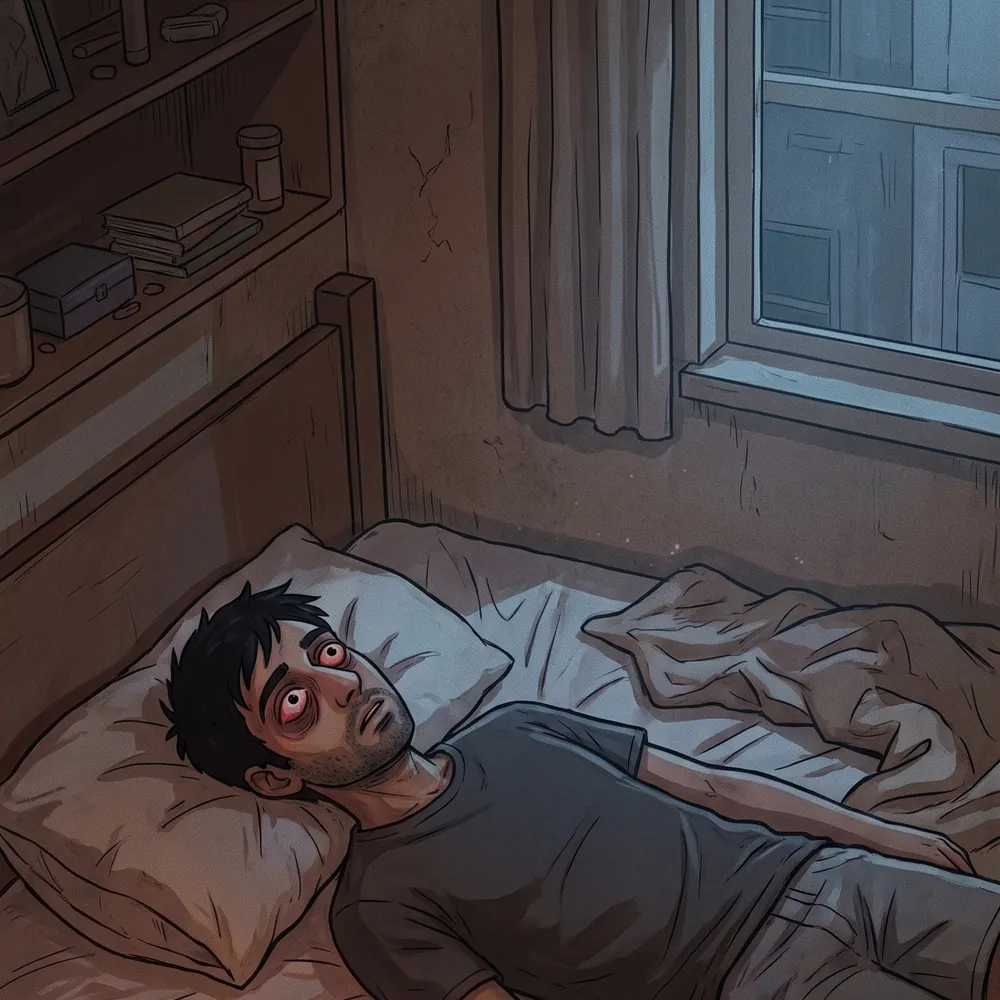
The reverse is true too, and it compounds
Quit the habit, and sleep tends to improve on its own, for a few compounding reasons. The screen stimulation right before bed disappears. The compulsive cycle that often kept people scrolling past when they intended to sleep no longer has anywhere to run. And a calmer, less agitated mind overall, the kind that builds over weeks of practising the discipline covered in our guide to quitting porn, tends to fall asleep more easily and rest more deeply. Better sleep then feeds back into stronger daytime willpower, which makes the whole practice easier to sustain. This is one of the most reliable positive loops in the entire journey.
The practical takeaway: protecting your sleep is not a side project alongside your celibacy practice. It's one of the most direct levers you have on your own willpower, because willpower itself runs on rest.
Building a night that protects both
- Charge your phone outside the bedroom. This single change removes the device most late-night compulsive use happens on, during exactly the hours your resistance is weakest, and it improves sleep quality directly by removing screen light and notifications from the room.
- Set a real wind-down, not just a bedtime. The last thirty to sixty minutes before sleep matter more than the exact hour you lie down. Dim lights, no screens, something calm, reading, prayer, stretching, stillness.
- Keep a consistent schedule. Going to sleep and waking at similar times daily, even on weekends, strengthens your body's natural rhythm far more than occasional long sleep-ins after short nights.
- Guard the explicit-content trigger specifically. Late at night, alone, tired, is precisely the moment a blocker earns its keep. This is exactly why we built Qlean to close explicit content automatically, so the weakest hour of your day isn't left undefended.
- Move your body during the day. Regular exercise, even a daily walk, is one of the most consistent, well-supported ways to improve sleep depth and consistency over time.
Protect the hour your willpower is weakest
Late at night, tired, is when resistance is at its lowest and relapse risk is at its highest. Qlean closes explicit content the moment it appears on your phone, across every app, standing guard exactly when you need it most.
Get Qlean on Google PlayTreating both as one practice
Sleep and celibacy aren't two separate projects competing for your attention, they reinforce each other so directly that improving one measurably improves the other. If you're struggling with willpower at night specifically, look at your sleep habits first, not just your resolve. And if sleep has been rough lately, know that it's likely both a cause and a symptom of the same underlying pattern, and that fixing your nights is one of the most practical, high-leverage things you can do for the whole practice. Rest well. It's not separate from the discipline. It's part of it. Hard physical effort during the day is what makes real sleep possible at night, which is the case made in exercise as an outlet. If exam pressure is what is wrecking your sleep specifically, staying clean through exam season covers that stretch directly. And if the loose structure of a remote work day is the actual issue, working from home changes the risk covers that situation on its own terms. Sleep is also one of the biggest levers on how quickly the reward system actually recalibrates; see how long a dopamine reset takes for the fuller timeline. Better sleep is also the mechanism behind most of the focus and output gains covered in what quitting actually does for focus and output, and behind the honest, indirect case in does quitting actually help you lose weight.