The slip isn't what hurts you. The spiral is.
Let's start with the single most important thing, because it changes everything that follows. One relapse, on its own, does very little damage. A month of progress is not erased by one bad night. The rewiring you did, the discipline you built, the things you learned about your own triggers - none of that disappears because a counter went back to zero.
What actually causes damage is the spiral. The "well, I've already blown it, so what's the point" thought that turns one slip into three days, then a week, then a full return to where you started. The relapse is a stumble. The spiral is the fall. And the spiral is entirely optional - it only happens if you let the slip mean more than it does.
Reframe it like this: you didn't fail a pass/fail test. You're an athlete who missed one training session. Nobody throws away months of fitness over one skipped workout. You just train tomorrow. Same here.
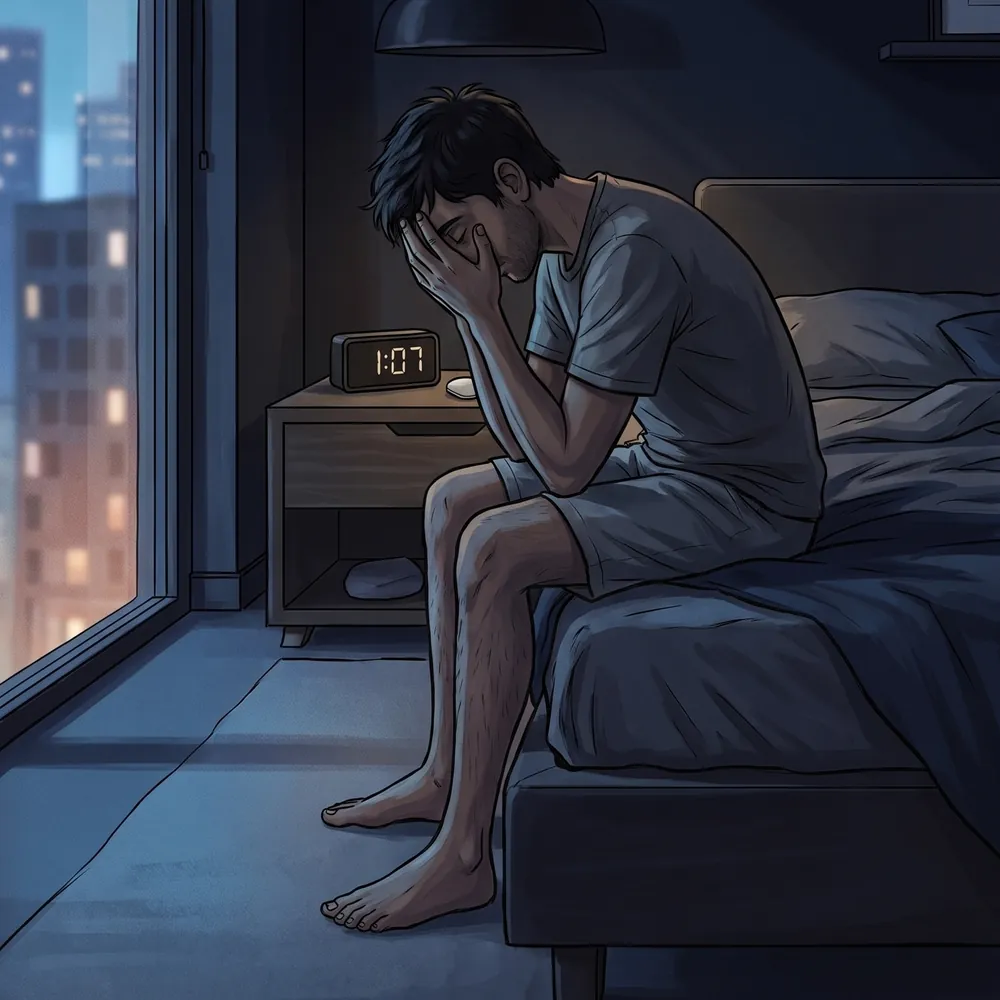
The recovery protocol, step by step
Do these in order, tonight, calmly. The whole point is to close the loop fast and deny the spiral any room to grow.
1. Stop the bleeding, right now
The relapse is over the moment you decide it's over. Close everything. Put the phone down or across the room. Get up, physically move, change your surroundings. Don't linger in it "since it's already ruined" - that's the spiral trying to extend the damage. One slip is one slip only if you end it now.
2. Skip the self-punishment
Every instinct will tell you to beat yourself up. Resist it, because shame is fuel for the next relapse, not a deterrent. Study after study on habit change points the same way: harsh self-criticism makes people more likely to repeat the behaviour, because feeling worthless makes the escape more tempting. Be firm with yourself, not cruel. "That wasn't what I wanted, and I'm getting back up" beats an hour of self-hatred every time.
3. Run the honest autopsy
This is the step that turns a relapse into an upgrade. Ask, plainly: what actually led to this? Retrace it. What time was it? What were you feeling - bored, stressed, lonely, tired? What was the situation - in bed, phone in hand, a blocker you'd switched off, an empty evening with nothing planned? Every relapse is a map to the exact gap in your defences. Find the gap.
4. Fix that specific gap
Now close it. If it was the phone in bed, the phone charges in another room from tonight. If it was an unstructured evening, plan tomorrow evening now. If it was explicit content appearing where you didn't expect it, put a barrier in place so it can't reach you next time. You should come out of this relapse with your defences measurably stronger than they were this morning. That's what makes a slip worth something.
Close the gap the relapse just showed you
Most relapses start when explicit content reaches you in a weak moment. Qlean closes it the moment it appears on your phone, across every app - so the exact gap that tripped you tonight can't trip you again.
Get Qlean on Google Play5. Restart today, not "Monday"
This is where it's won or lost. "I'll start fresh next week" is the spiral wearing a reasonable-sounding mask - it quietly gives you permission to keep going until then. There is no better time than right now. Your streak restarts the instant you decide it does, and the gap between falling and standing up is the entire game. Make it minutes.
Break the pattern, not just this relapse
If you keep relapsing at the same point, that's not weakness, it's a pattern you haven't defended yet. Relapses are triggered, not random. Look across your last few and you'll almost certainly find a common thread - the same time of night, the same mood, the same situation. That thread is a gift. It tells you precisely where to build your wall. Defend that one window well and you remove most of your relapses at the source, which is far easier than winning the same fight over and over by willpower alone.
For the full system that prevents relapses in the first place, see our guide on how to quit porn. And if the slip landed during a low, foggy stretch, that might be the flatline - worth knowing it's temporary. If it's the moment right before a relapse you want to get better at handling, urge surfing is the specific technique for riding out the craving itself.
The people who quit for good are not the ones who never fall. Nobody is. They're the ones who got so good at standing up fast and quiet that a fall stopped being able to turn into a collapse. You just did the hard part by looking for help instead of disappearing into the spiral. Now close the loop, fix the gap, and start again today. If relapses keep catching you the same way, journaling your relapse pattern is how you find the specific gap instead of guessing at it. If what you are restarting from is weeks or months rather than one night, forgiving yourself after a long relapse deals with that specifically. And if you can still catch the thought before it turns into a relapse at all, the "just this once" trap is worth reading now, before the next one shows up. If a fight or an insult tends to come right before yours, anger and the habit is worth a look too. Behaviour-change research treats a step backward like this as a normal part of the process rather than a failure, which the stages of quitting covers in more depth. A supporting partner benefits from the same patience; how to support a partner who is quitting covers what that looks like from their side.